


I get the occasional heartfelt thank you note from a patient. I also get hate mail, but fortunately the thank yous predominate.
I still have all of them, going back to residency, in an old Nike box. They sit in a closet at home, taken out here and there. On bad days.
You know what I mean. The days where you screwed up, or had an angry patient get on your nerves and/or in your face. Where the schedule was accidentally double-booked and you were running behind from the start. When you question your abilities and wonder why you are still doing this to yourself.
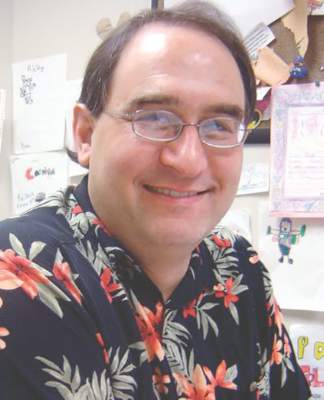
Dr. Allan M. Block
At the end of those days, I go home, dig out the box, and quietly read a few of the notes. Their neatly folded pages of gratitude remind me why I’m here, why I chose this path, why I need to be clear and ready for the patients depending on me the next day. They help me to realize that there’s more good than bad in this job, and that an unhappy, albeit vocal, few don’t represent most patients. That I really do know what I’m doing, regardless of what Mr. I’m-going-to-complain-about-you-on-Yelp says.
Of course, there are other reminders of what you have be thankfu for, like families and dogs. But sometimes you need a reminder directly from the people for whom you make a difference every day, to let you know that this isn’t just a job. It’s why you once volunteered at a hospital, fought through lorganic chemistry, wrote out 20 (or more) drafts of a personal statement, and studied for the MCAT. Because, once upon a time, this job was just a dream.
I don’t spend a lot of time with the notes – maybe 10 minutes reading a randomly pulled handful, but it’s enough to get me out of a funk. Then the old shoe box is carefully returned to my closet. Until I need it again.
Dr. Block has a solo neurology practice in Scottsdale, Ariz.